
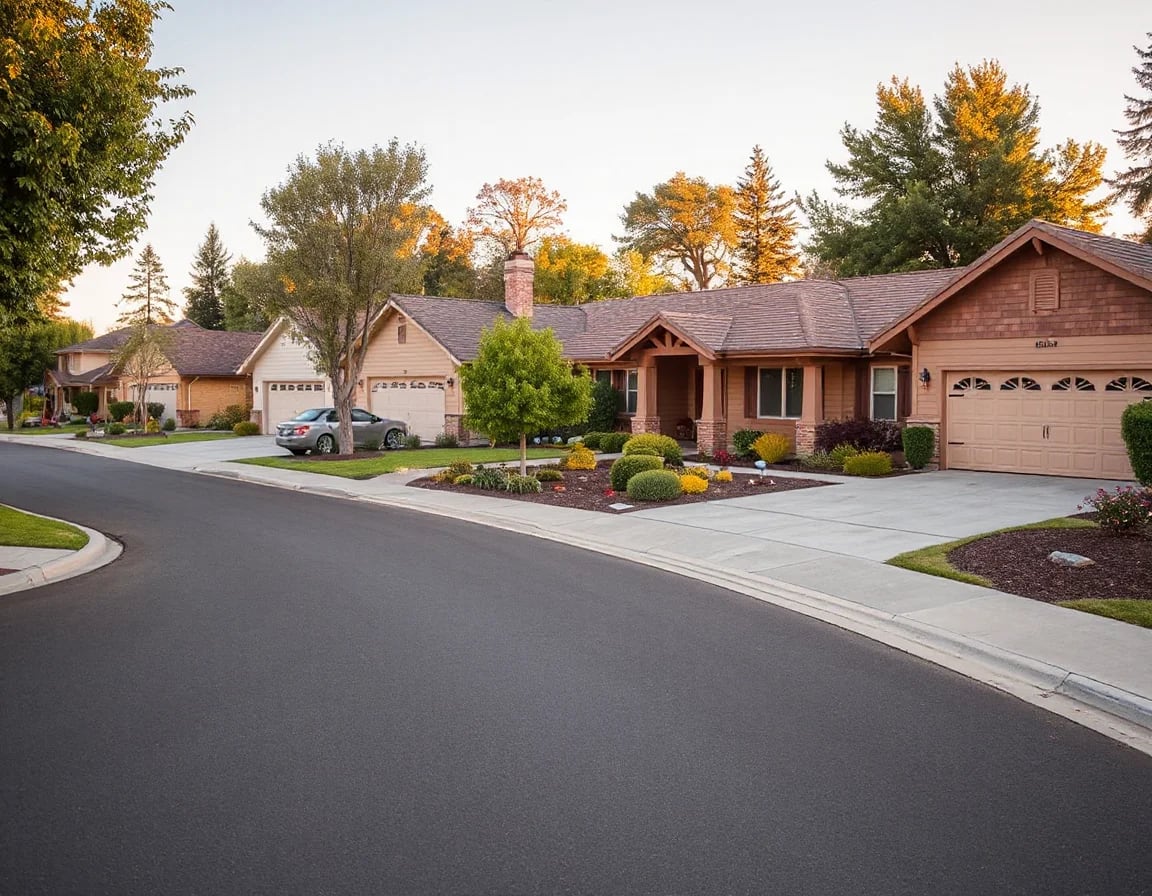
Santa Rosa buyers often focus on the listing price, but the more useful lens is what typically changes as you move from one price band to the next. Understanding those shifts can save time, sharpen expectations, and make tours more productive. Before you step into open houses, it helps to know which ranges tend to offer entry-level options, where condition and location start to improve, and when lot size, design, and amenities begin to command a premium.
Why price bands matter more than individual list prices
A list price can feel precise, but in practice, buyers usually shop within a range. In Santa Rosa, that range often determines more than just monthly payment. It can influence home age, level of updates, lot size, distance to key amenities, and whether you are primarily comparing condos, townhomes, smaller detached homes, or larger residences with more flexible layouts.
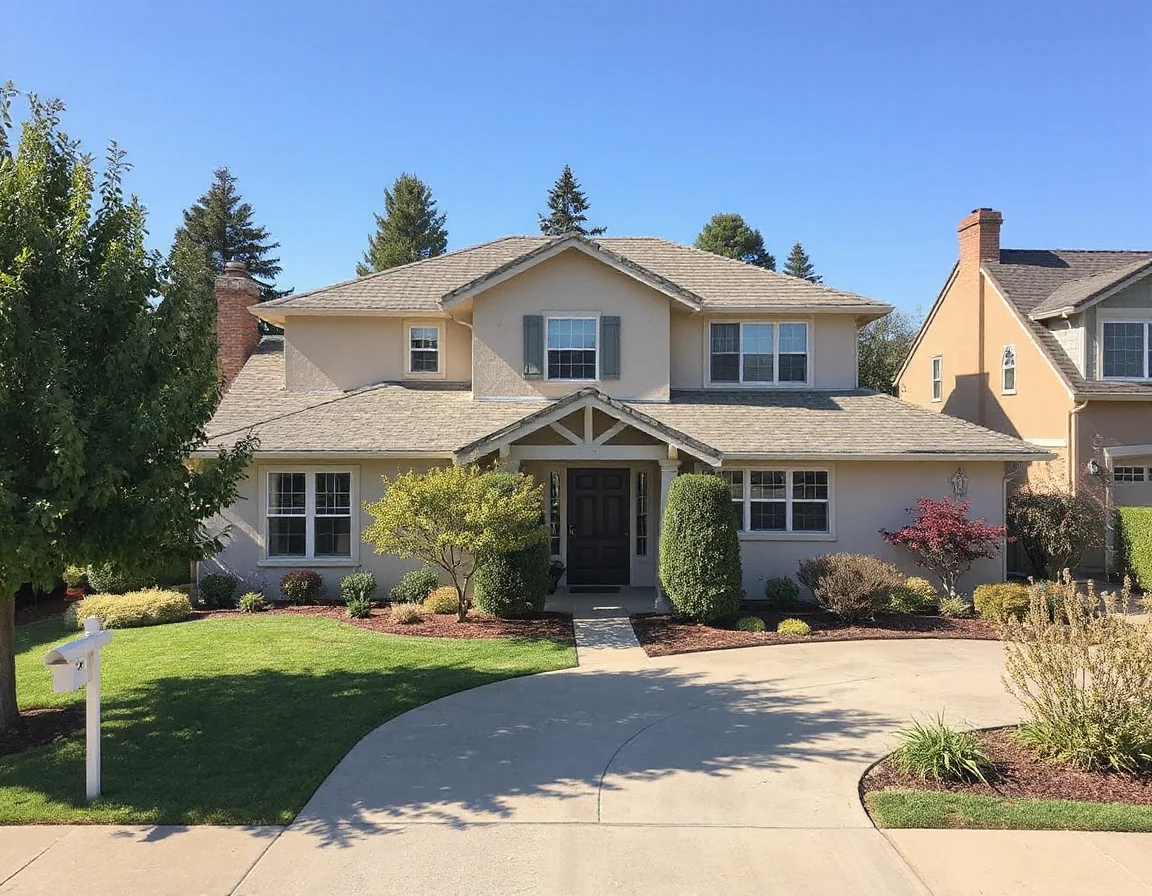
Thinking in bands instead of single numbers also helps you compare tradeoffs more clearly. A buyer looking at homes around one threshold may notice a meaningful jump in updated kitchens, garage space, lot usability, or neighborhood setting just $50,000 to $100,000 higher. In another part of the market, the same increase might buy less square footage but a more turnkey property or a more central location.
That is why touring without a framework can be frustrating. One home may look like a bargain until you compare its condition, age of systems, or renovation scope against others in a nearby bracket. Another may seem expensive until you realize it sits in a band where renovated inventory is consistently limited. Price bands give buyers a realistic map before emotion takes over during showings.
A smart touring strategy is to preview homes in your target range and one band above it. That comparison often reveals whether stretching the budget meaningfully changes what is available.
Band 1: entry-level opportunities and tradeoff-heavy choices
At the lower end of Santa Rosa pricing, buyers often see condos, townhomes, smaller detached homes, and properties that may need cosmetic or functional updates. This range can be where affordability is strongest relative to the broader market, but it is also where competition may be active when a home is clean, well-positioned, and priced correctly.
In this band, common tradeoffs include smaller lots, less updated interiors, limited storage, or busier nearby roads. None of those factors automatically make a property a poor fit, but they do matter when comparing options. Buyers should pay close attention to roof age, HVAC condition, windows, flooring, and deferred maintenance, because smaller pricing differences can conceal bigger future expenses.
For condo and townhome shoppers, monthly HOA dues and reserve health become just as important as purchase price. A lower list price with higher carrying costs may not be the better deal. Reviewing the total monthly picture early can prevent wasted tours later.
Band 2 and Band 3: where condition starts to separate the field
As buyers move into the next two Santa Rosa price bands, the selection often broadens. These ranges may include more detached homes, more consistent garage parking, somewhat larger lots, and a better chance of finding properties with partial or substantial updating. This is often where the market begins to split between homes that are move-in ready and homes that still require a clear renovation budget.
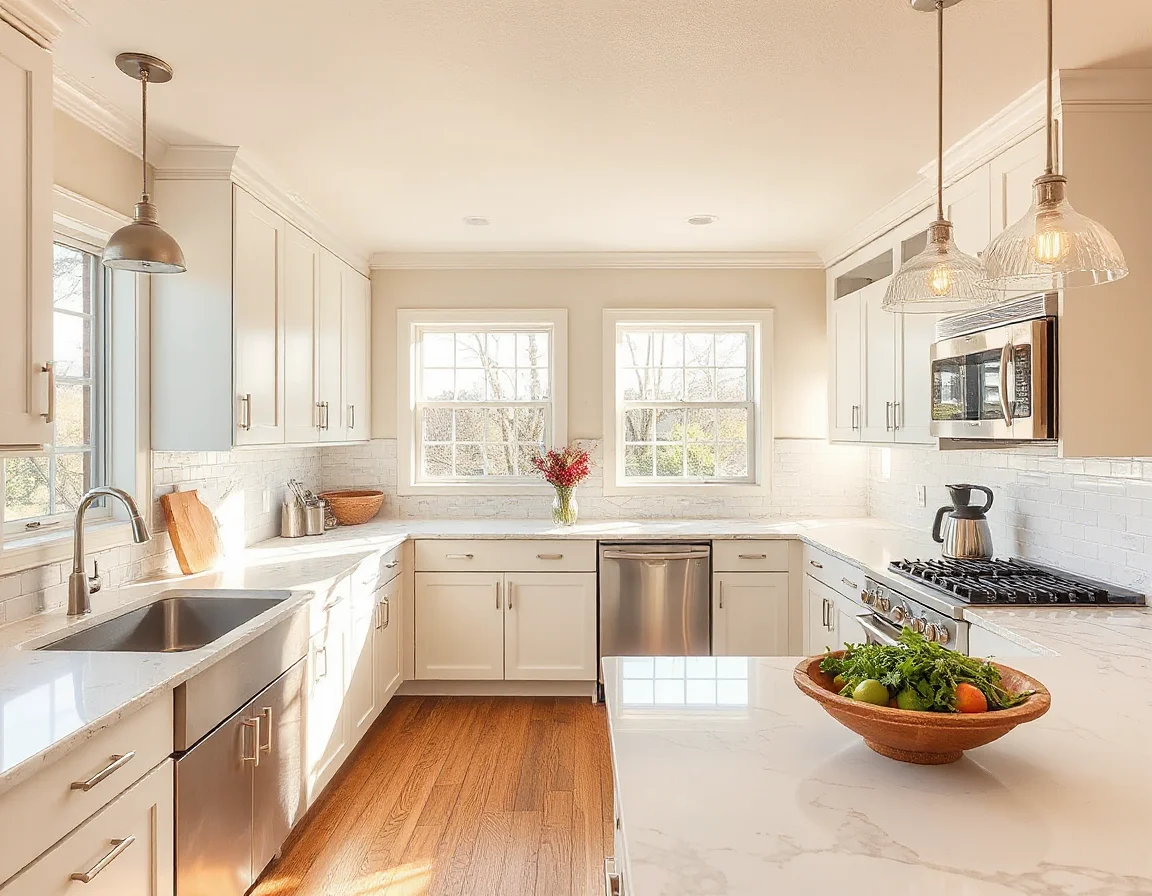
In practical terms, these middle-lower bands are where buyers start asking sharper questions about value. Is the premium for a remodeled kitchen worth it if the bathrooms are original? Does a larger lot justify a more dated interior? Is the floor plan functional enough to avoid future remodeling? These are not abstract concerns. They directly affect both daily use and long-term resale appeal.
Touring homes in these brackets can be especially useful because the differences become visible room by room. A home with strong natural light, a more open living area, and updated core systems may outperform a larger property that needs major work. Buyers who understand this early tend to write cleaner offers because they are choosing based on overall value instead of reacting only to finishes.
Another key point: once you enter bands where more homes appear turnkey, list price can understate competition. Well-prepared listings in popular ranges may attract quick interest, so buyers benefit from reviewing disclosures and financing readiness before a tour weekend begins.
When two homes are priced similarly, the one with newer systems and a more efficient layout can deliver better long-term value than the one with only surface-level cosmetic upgrades.
Band 4 and Band 5: stronger location choices, more space, and better amenities
In the middle and upper-middle Santa Rosa market, buyers often begin to see more consistency across the full package: layout, condition, lot size, curb appeal, and neighborhood feel. This does not mean every property checks every box, but it is often where the most balanced options start to appear. Homes may offer larger kitchens, additional bedrooms or flex spaces, more private outdoor areas, and more extensive updating.
These bands are also where the quality of the specific block, outlook, and lot usability may become more influential in pricing. Two homes with similar square footage can perform very differently if one backs to a more open setting, has a more functional yard, or offers a floor plan that lives larger than the raw numbers suggest. Buyers should be prepared for subtler distinctions to drive bigger pricing gaps.
For move-up buyers, this range can be the most revealing because it forces a priority check. Is the goal more square footage, a newer-feeling home, a larger lot, or a location with faster access to key commuting routes and everyday amenities? Knowing the answer before touring helps reduce decision fatigue once attractive options start appearing.
Band 6 and Band 7: premium inventory and the value of nuance
At the higher end of Santa Rosa pricing, buyers are usually paying for a combination of scale, design, setting, privacy, lot quality, and finish level. These homes may include custom details, expansive outdoor spaces, upgraded kitchens and baths, or architectural character that is harder to replicate. In some cases, the premium is tied less to size and more to rarity.

In these bands, buyers benefit from slowing down and comparing more carefully. A beautifully finished home on a less functional lot may compete with a slightly older property on a stronger site. One residence may present like luxury because of interior materials, while another justifies its price through land, views, or a layout that supports multiple uses. The right choice depends on which features are hardest to change after closing.
Premium segments can also have less inventory, which means each active listing may stand out for different reasons. Rather than expecting a uniform standard, buyers should evaluate whether the pricing premium is supported by elements that tend to hold value over time: location within the city, lot quality, privacy, construction quality, and overall design coherence.
Because higher price bands involve more variation, touring with a clear checklist is essential. It keeps attention on fundamentals instead of being pulled only toward staging or luxury finishes that may be costly to replicate but not always the strongest value driver.
How to use these bands before your next showing
The most effective buyers enter the Santa Rosa market with both a target range and a comparison range. That could mean searching one band below to understand compromises and one band above to see what a modest stretch might unlock. This approach creates context quickly, and context leads to stronger decisions.
Before touring, make a short list of non-negotiables and nice-to-haves. Include practical items such as number of bedrooms, parking, lot use, renovation tolerance, and preferred commute pattern. Then compare each home against those needs rather than against an idealized version of the market. A clear framework keeps expectations realistic and makes it easier to recognize true value when it appears.
Santa Rosa offers a wide mix of housing types and price points, which is exactly why understanding the seven main pricing bands is so useful. Buyers who know what usually changes from bracket to bracket can spend less time touring homes that miss the mark and more time focusing on the properties that genuinely fit their goals.
If you are preparing to tour, the best next step is to study active inventory through the lens of these bands. Once you know what each range typically delivers, every showing becomes more informative—and every offer decision becomes more confident.