

Moving from one home to the next in Sonoma County often means balancing two major decisions at once: when to list and how to compete for the right purchase. A strong plan can reduce stress, protect your negotiating position, and help you line up timing, pricing, and financing more smoothly. This guide walks through the practical steps that help move-up buyers sell and buy with more clarity in a changing local market.
Start With the Full Picture, Not Just the Next House
Buying a larger home, a different layout, or a property with new features can feel exciting right up until the logistics start stacking up. For many homeowners in Sonoma County, the challenge is not simply finding a new place. It is understanding how current equity, likely sale price, repair costs, loan options, and timing all connect.
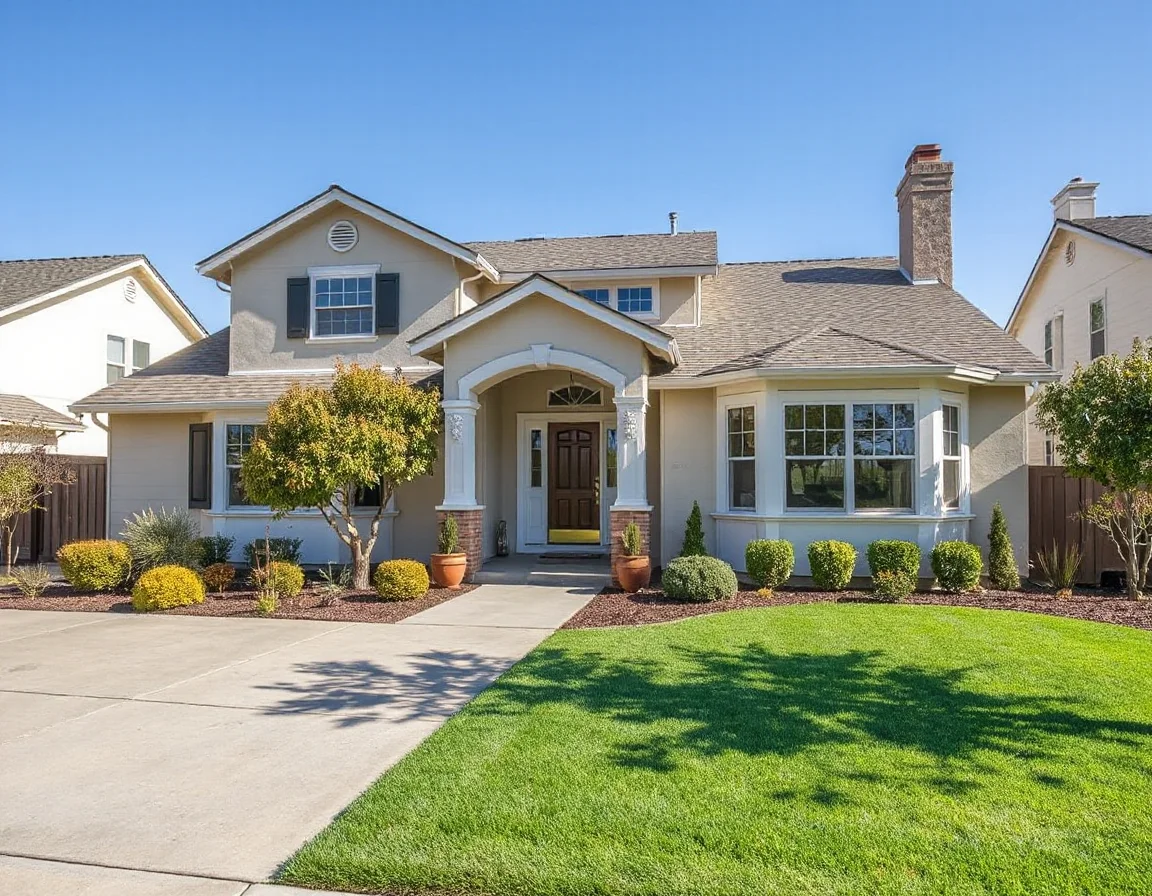
A move-up purchase usually works best when those pieces are reviewed in the right order. Before touring homes, many sellers benefit from getting a realistic opinion of value on their current property, estimating net proceeds after closing costs, and reviewing financing with a lender who understands contingent and non-contingent strategies. That foundation helps define a comfortable purchase range rather than relying on broad online estimates.
In Sonoma County, pricing and timing can vary significantly by neighborhood, property condition, and available inventory. A well-prepared seller may attract stronger interest quickly, while an overpriced listing can sit long enough to complicate the purchase side. The goal is not just to “sell high” and “buy low.” It is to create a coordinated plan where both transactions support each other.
The most useful number for a move-up strategy is often not the top-line sale price. It is the estimated net proceeds available for the next purchase after repairs, closing costs, and payoff are accounted for.
Prepare Your Current Home to Compete
Once the financial outline is clear, the next step is making your existing home market-ready. That does not always mean a full renovation. In many cases, focused improvements such as paint touch-ups, lighting updates, landscape cleanup, and careful staging deliver a better return than expensive projects with long lead times.
Presentation matters because move-up buyers are often competing with listings that photograph well and feel ready from day one. Professional marketing, a clean pre-listing plan, and strategic pricing can help generate early momentum. In a market like Santa Rosa and the broader Sonoma County area, that first wave of attention is often where the strongest leverage appears.
It also helps to think about disclosures, inspections, and repair decisions early rather than react under pressure once offers arrive. If you know the age of the roof, HVAC, or major systems, gathering documents in advance can reduce surprises. A smoother listing launch creates more confidence on both sides of the transaction and gives you a stronger position when making an offer on your next home.
For sellers who need proceeds from the sale to fund the purchase, the details of offer terms matter just as much as price. Rent-back periods, flexible closing dates, and buyer strength can be just as valuable as an extra increment in purchase price if they help line up the move more cleanly.
Build a Buying Strategy Around Timing and Leverage
On the purchase side, confidence comes from knowing which path fits your situation. Some homeowners sell first, then buy with proceeds in hand. Others purchase with a contingent offer, bridge financing, or a larger down payment sourced before closing. Each option has tradeoffs, and the right answer depends on budget, risk tolerance, and inventory conditions.
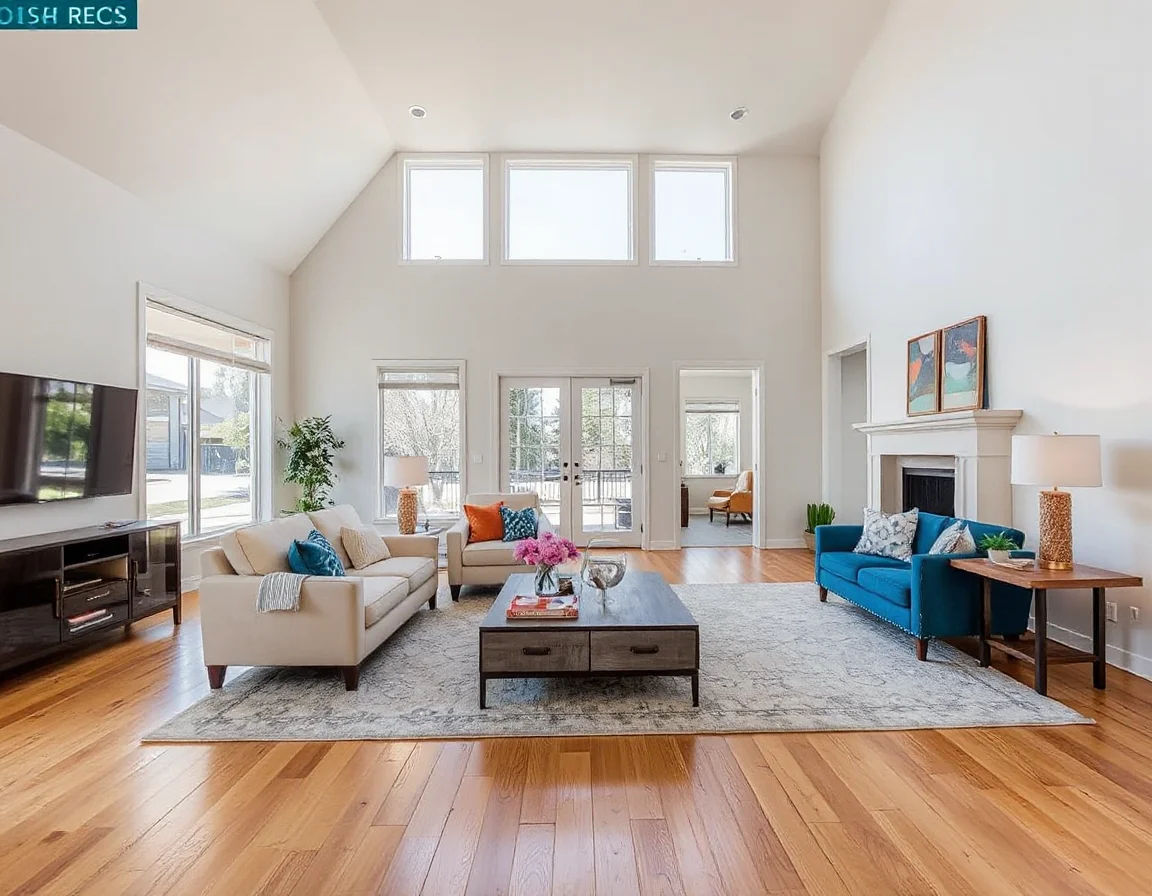
When inventory is tight, non-contingent offers often carry more weight, but that does not mean every homeowner should rush to sell before securing the next property. In some cases, a contingent offer can still compete if the listing has been on market longer, the terms are clean, and the sale home is already well advanced. In a more balanced stretch of the market, careful sequencing can create room to negotiate on inspections, credits, or price.
A local strategy is especially important because the move-up process can look different in Santa Rosa than in Windsor, Petaluma, or Healdsburg. Price points, days on market, and buyer expectations can shift from one area to another. Working with current neighborhood-level data helps you avoid overgeneralizing from countywide headlines.
If you are both selling and buying, timing flexibility can be a real asset. A short rent-back or extended close can create breathing room without forcing a rushed purchase decision.
Another smart move is defining your “must-have” list before your sale goes live. That prevents emotional decisions once your current home is under contract. Decide which features are non-negotiable, where you can compromise, and what payment range still feels comfortable after taxes, insurance, and maintenance are included.
Think Beyond Square Footage
Many move-up buyers begin with a simple goal: more space. But successful purchases are usually about function, not just size. An extra bedroom may matter less than a more usable floor plan. A larger lot may be less important than updated systems, a dedicated office, or a layout that supports daily routines more efficiently.
That is why home tours should include practical questions. How does the property live day to day? Is there enough storage? How much work is needed in the first year? Does the lot require more upkeep than you want to take on? Looking closely at these details can keep a move-up purchase from turning into a move-sideways experience with higher monthly costs.
In Sonoma County, buyers also tend to weigh location factors such as proximity to commuter routes, parks, local services, and community amenities. Those objective details shape lifestyle and convenience in a meaningful way. The right house often stands out not because it has every possible feature, but because it fits how you want to use the space over the next several years.
Use Local Market Knowledge to Reduce Uncertainty
One reason move-up transactions feel complicated is that the stakes are high on both ends. You are not only trying to protect the value of your current property; you are also trying to make a smart purchase in a competitive environment. That is where local context matters. Recent comparable sales, buyer demand by price band, and current inventory trends all shape the best next step.

For example, the right list price on your current home can influence whether you are making offers from a position of confidence or still waiting for market feedback weeks later. Likewise, understanding when a purchase listing is intentionally underpriced versus fairly positioned can help you decide when to push and when to hold the line. These are not abstract market lessons. They affect your timing, your budget, and your stress level in real time.
Trusted guidance also matters during the negotiation stage. Coordinating contingencies, inspections, appraisal timing, and close dates across two homes takes steady communication. A clear plan helps avoid common problems such as overlapping deadlines, short moving windows, or agreeing to terms that look good on paper but create unnecessary pressure later.
For many homeowners, confidence comes less from predicting the market perfectly and more from having a process. When the steps are organized, the numbers are clear, and the options are explained plainly, it becomes much easier to move forward decisively.
A Calm, Coordinated Move Is Possible
Moving up in Sonoma County does not have to mean juggling chaos. With a realistic valuation, thoughtful prep, a financing conversation early in the process, and a neighborhood-specific buying plan, you can approach both sides of the transaction with more control. The best outcomes usually come from preparation rather than speed alone.
If you are considering a next-step purchase in Santa Rosa or elsewhere in Sonoma County, start by understanding your current home’s position in today’s market. From there, it becomes much easier to map out the timing, negotiate strategically, and search with purpose. A coordinated plan can turn a complicated transition into a manageable one.